CLASSIC CASE
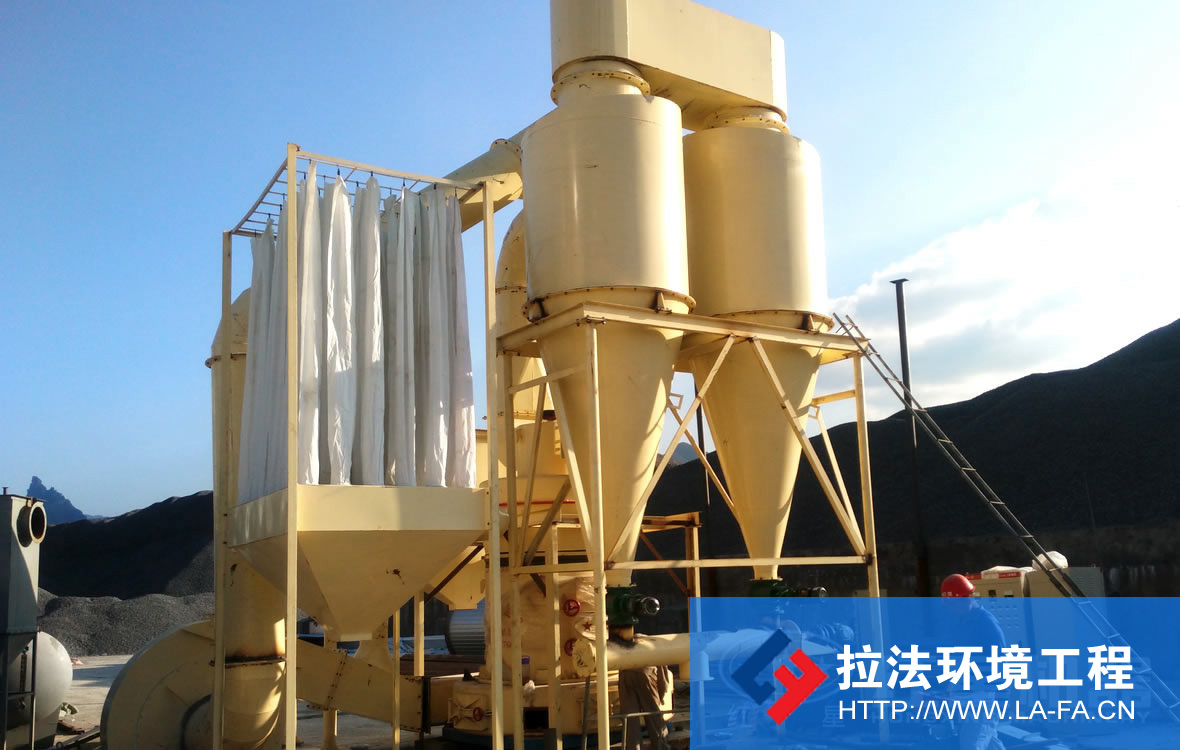
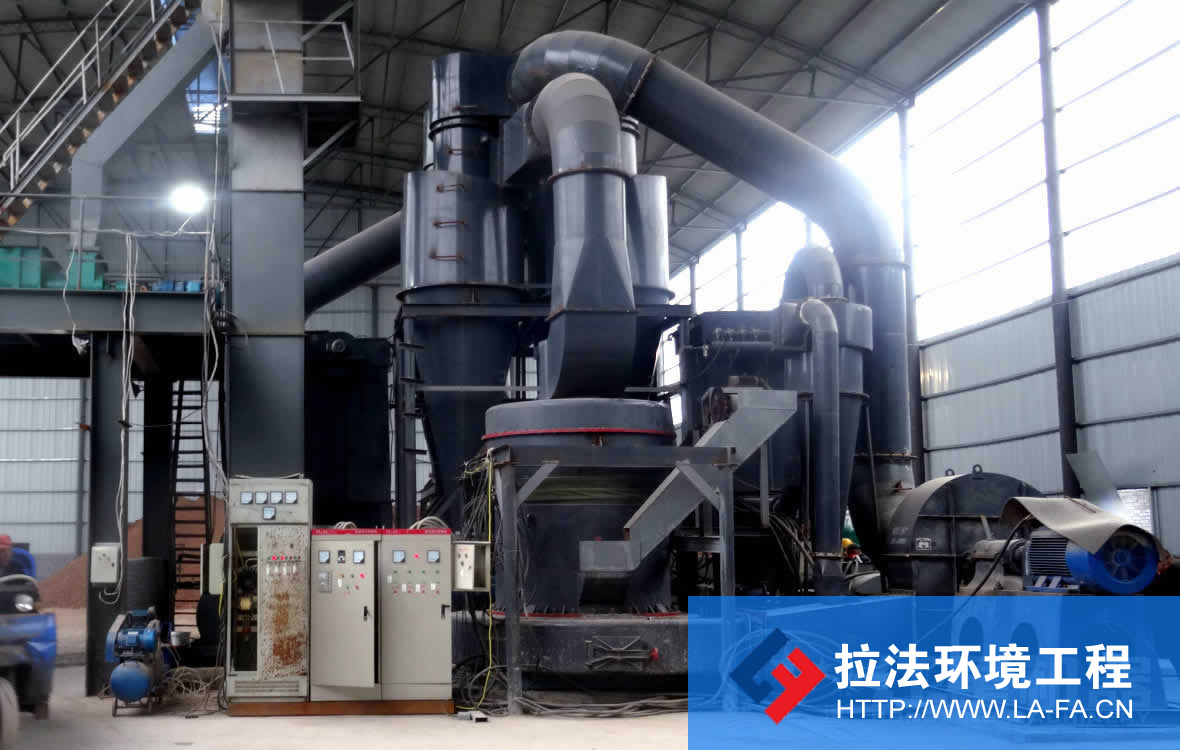
Jinshan talc mill production line
Production capacity: 30-50t/h
Processing capacity: talc;Finished product fineness: 100-150 mesh
Device Configuration: Jaw Crusher, Fighter Elevator, High Pressure Mill
Recommended equipment - smart products, good products speak.
The talc is very soft and has a slippery feel. Talc is generally in the form of blocks, leaves, fibers or radial. There are many uses for talc, such as refractory materials, paper making, rubber fillers, insulating materials, lubricants, pesticide absorbents, leather coatings, cosmetic materials and engraving materials. Talc is the softest mineral known, and nails can leave scratches on the talc.
Talc introduction
Talc is a common silicate mineral. It is very soft and has a slippery feel. It is the softest mineral known. It has a Mohs hardness of 1. It can replace white chalk and can be used on talc. Leave scratches. Talc is generally in the form of a block, a blade, a fiber or a radial, and the color is white, grayish white, and may be colored in various colors due to other impurities. Mainly used as a flux for alkaline refractory materials and blast furnace ironmaking; production of calcium magnesium phosphate fertilizer and preparation of magnesium sulfate; and production of glass and ceramic ingredients.
Application field
There are many uses for talc, such as refractory materials, paper making, rubber fillers, insulating materials, lubricants, pesticide absorbents, leather coatings, cosmetic materials and engraving materials. Talc is an important ceramic raw material used in ceramic billets and glazes. It is used as a chemical material to be introduced into the glaze to reduce the temperature and improve the roughness of the glaze. The equipment used in the talc grinding production line includes: jaw crusher, fighter hoist, high pressure mill, electromagnetic vibrating feeder, and classifier.